
Original: $345.00
-65%$345.00
$120.75The Story
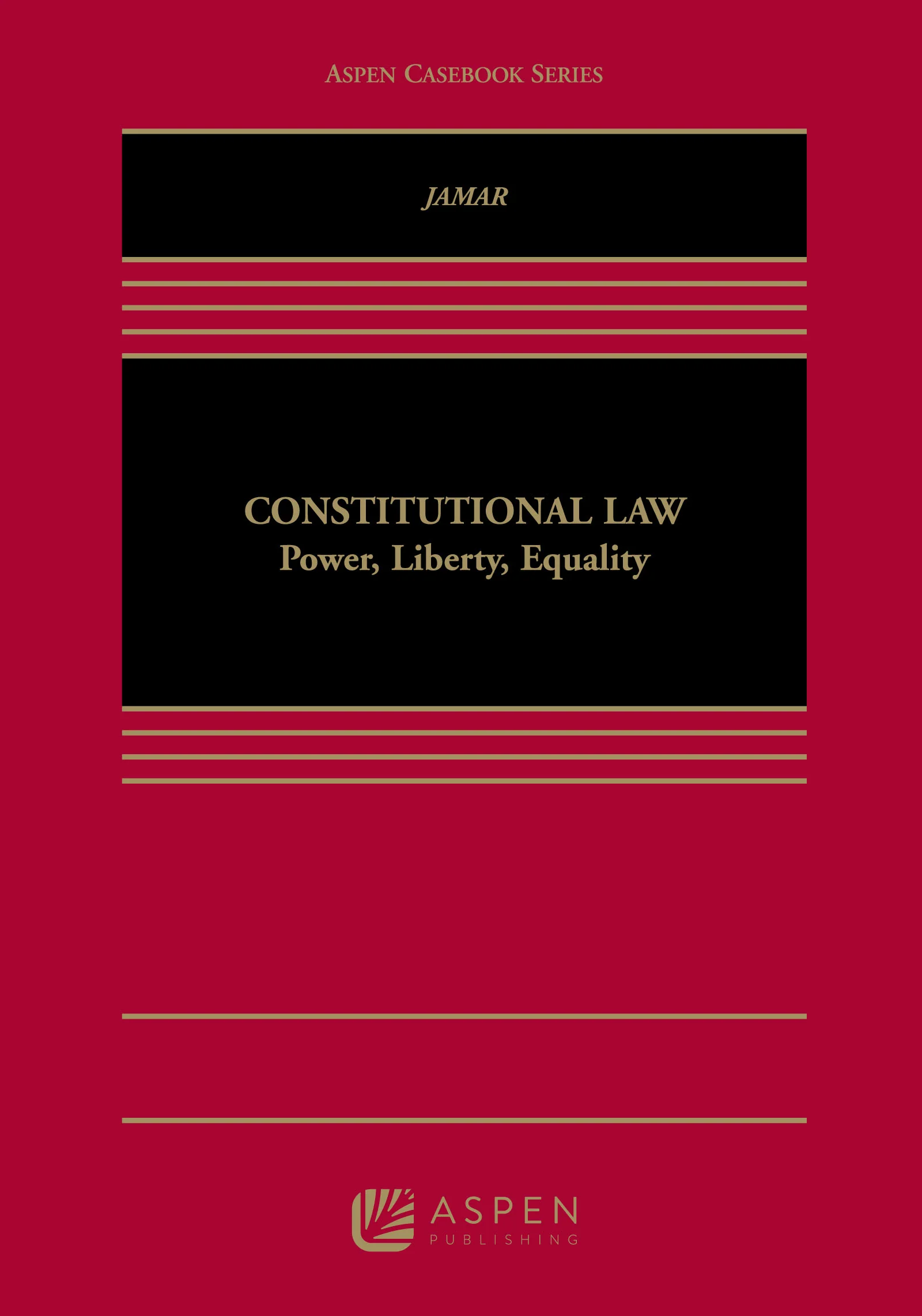
Constitutional Law: Power, Liberty, Equality presents most of the constitutional law cases generally considered canonical and, with one important exception, follows the tried and true organizational means widely used in constitutional law texts of dividing chapters and sections are along subject matter lines such as the Commerce Clause, equal protection, freedom of expression, and so on. Nonetheless, this book differs from other constitutional law textbooks in important ways. The text introduces cases by providing contextual information and by explicitly articulating much of the black letter law being introduced. Under this structure the cases provide the student with the opportunity to more easily see the difference between the doctrine per se and how it is actually developed and used by the Court. Cases become examples of the rules being applied and vehicles for deeper exploration of broader principles and themes.
Details & Craftsmanship
Every detail has been carefully considered to bring you the perfect product.
Details & Craftsmanship
Every detail has been carefully considered to bring you the perfect product.
Description
Constitutional Law: Power, Liberty, Equality presents most of the constitutional law cases generally considered canonical and, with one important exception, follows the tried and true organizational means widely used in constitutional law texts of dividing chapters and sections are along subject matter lines such as the Commerce Clause, equal protection, freedom of expression, and so on. Nonetheless, this book differs from other constitutional law textbooks in important ways. The text introduces cases by providing contextual information and by explicitly articulating much of the black letter law being introduced. Under this structure the cases provide the student with the opportunity to more easily see the difference between the doctrine per se and how it is actually developed and used by the Court. Cases become examples of the rules being applied and vehicles for deeper exploration of broader principles and themes.